Neuroactive Plants Essays
Contents
Click an essay to jump to it; use “↑ Contents” at the top of each essay to come back.
Team 1
- 1.Peganum harmala – Zeynep Lal Üçgül
- 2.Papaver rhoeas – Lejla Omerović
- 3.Atropa belladonna – Petra Rapaić
- 4.Humulus lupulus – Drondu Mara Cristiana
Team 2
- 5.Hypericum perforatum – Asja Catovic
- 6.Lavandula angustifolia – Miray Tunç
- 7.Melissa officinalis – Teodora Rančić
- 8.Valeriana officinalis – Călae Alexia-Maria
Team 3
- 9.Tilia cordata – Dušica Živanović
- 10.Papaver somniferum – Rana Ece Berberoğlu
- 11.Hyoscyamus niger – Asim Halac
- 12.Datura stramonium – Popa Eliza-Maria
Team 4
- 13.Satureja montana – Mahyar Pouyan
- 14.Galanthus nivalis – Jeremiah Olah
- 15.Withania somnifera – Tijana Mirić
- 16.Huperzia serrata – Pavel-Balan Grațiela-Andrada
- 17.Vinca minor – Milica Vujošević
References are numbered in order of first citation in each essay; in-text citations appear in square brackets (e.g., [1], [2,3]).
Peganum harmala
Wild Syrian rue
by Zeynep Lal Üçgül · PharmHive · Team lead
General Information About Peganum harmala
Peganum harmala, also known as Wild Syrian Rue of the Zygophyllaceae family, commonly grows around North Africa, the Middle East, Türkiye, Pakistan, India, Iran, Kazakhstan, Mexico, and South America and such countries [1]. In Türkiye, it is widespread throughout the Central and Southeastern region. It is a herbaceous, perennial plant with a bush appearance. Peganum harmala is a plant that is commonly known for its several pharmacological effects such as its antibacterial, antifungal, anticancer activities [2,3]. It is also culturally believed in Anatolia that when Peganum harmala is hung up on a wall, it acts as a protector against the evil eye. Its seeds are also burned by the locals and used as a form of incense to clean the negative energy of living spaces.
Phytochemistry of Peganum harmala
The alkaloids of Peganum harmala are responsible for most of its pharmacological activity, and various alkaloid groups with β-carboline, quinazoline, and indole structures were identified in the seeds [2–4]. The plant has been long used by locals to aid in many conditions:
- Seeds, in powder form, are used internally in Pakistan to aid the treatment of asthma, colic and jaundice. A decoction of the seeds is used to increase lactation in breastfeeding women.
- In Türkiye, the seeds are used internally as a menstrual remedy, anthelmintic and externally to treat hemorrhoids and eczema.
While much can be said about the ongoing local usage of Peganum harmala to aid the treatment of various diseases, there is currently ongoing research about the plant’s neuroactive properties and the mechanisms behind it.
The neuroactive properties and mechanisms of Peganum harmala
CNS Activity
Traditionally, Peganum harmala was used by locals previously to treat Parkinson’s disease, and sometimes was also used as an analgesic. The plant also has hallucinogenic effects on the CNS.
The β-carboline alkaloids in the plant are known to interact with certain opioids, dopamine and GABA which are all related to CNS system activity. Some of these alkaloids were seen endogenously in high amounts in alcoholics, smokers, drug addicts and patients who suffered from Parkinson’s, and this finding only strengthened the connection of them to CNS activity [3].
MAO-inhibiting activity
A group of β-carboline alkaloids in Peganum harmala; harmine, harmaline, harmane, harmol etc. are responsible for the inhibition of MAO (Monoamine Oxidase) enzymes. MAO enzymes are mainly responsible for the degradation of neurotransmitters such as serotonin and norepinephrine [2,3].
An in vitro study revealed that the seeds and roots of Peganum harmala revealed that the extracts only inhibited MAO-A, and had no effect on MAO-B. For the seed extract, the inhibitory effects were found to be reversible. Whereas, the root extract had a stronger inhibitory effect (mostly harmine), and it gave promising results for aiding in a possible reversal of the MAO-A reduction in cases of depression [2,3].
Conclusion
Peganum harmala is a culturally significant plant widespread in the Anatolian and Balkan regions, and its pharmacological effects ranging from a menstrual remedy to antidepressant activity are just as valuable and deserve recognition.
Its neuroactive effects include analgesic and hallucinogenic effects, but the most prominent and promising one is its antidepressant effect due to its MAO-inhibiting and CNS activities.
References
- Gazel, M., Hemmati, C., Bhat, A. I., & Rao, G. P. (2023). Update on phytoplasma diseases associated with medicinal plants and spices in Asian countries. In Elsevier eBooks (pp. 233–263). Elsevier. https://doi.org/10.1016/b978-0-323-91897-8.00012-5
- Gökkaya, İ., Renda, G., Subaş, T., & Özgen, U. (2023). Phytochemical, pharmacological, and toxicological studies on Peganum harmala L.: An overview of the last decade. Clinical and Experimental Health Sciences, 13(3), 664–678. https://doi.org/10.33808/clinexphealthsci.1125345
- Moloudizargari, M., Mikaili, P., Aghajanshakeri, S., Asghari, M. H., & Shayegh, J. (2013). Pharmacological and therapeutic effects of Peganum harmala and its main alkaloids. Pharmacognosy Reviews, 7(14), 199–212. https://doi.org/10.4103/0973-7847.120524
- Bensalem, S., Soubhye, J., Aldib, I., Bournine, L., Nguyen, A. T., Vanhaeverbeek, M., Rousseau, A., Boudjeltia, K. Z., Sarakbi, A., Kauffmann, J. M., Nève, J., Prévost, M., Stévigny, C., Maiza-Benabdesselam, F., Bedjou, F., Van Antwerpen, P., & Duez, P. (2014). Inhibition of myeloperoxidase activity by the alkaloids of Peganum harmala L. (Zygophyllaceae). Journal of Ethnopharmacology, 154(2), 361–369. https://doi.org/10.1016/j.jep.2014.03.070
Papaver rhoeas
Corn poppy
by Lejla Omerović · SAFF
Introduction
Papaver rhoeas of the family Papaveraceae, commonly known as corn poppy, common poppy, red poppy or field poppy, is a plant species widely distributed in Türkiye, where the name ‘gelincik’ is in use. The species is found in Tekirdağ, Çankaya, İstanbul, Bolu, Amasya, Samsun, Trabzon, Eskişehir, Elazığ, Erzurum, Antalya, İçel, Seyhan and Gaziantep. It normally grows in fields and on the edges of roads and railways. P. rhoeas and other Papaver species have been used as food and medicine in Anatolia and across the world for centuries [1–3].
Description
The species is easily recognisable by its scarlet petals with a black base. It is an erect herb with a thin yet strong stem that can grow up to 90 cm in height. Its light green leaves can vary greatly in shape and size. Fruits are ovoid capsules which contain an abundance of small dark seeds. When damaged, the plant emits a typical strong smell and a white latex [3].
Phytochemistry
Secondary metabolites of P. rhoeas include alkaloids, flavonoids, phenols, tannins, coumarines, saponines and terpenoids. Rhoeadine alkaloids, which act as mild sedatives and mild antitussives, are the main alkaloid group of P. rhoeas, while the proaporphine, aporphine, promorphinan and protopine groups are less common [4,5]. Essential oils of P. rhoeas contain hydrocarbons such as tricosane, heneicosane and nonadecane, various esters, organic acids and aldehydes, as well as terpenes such as phytol [6,7].
Uses
Various parts of the plant are used in folk medicine in Türkiye. Petals are used as a sedative, for mouth wounds, sore throat and blood sugar lowering, against nosebleeds, kidney stones and diarrhoea, and as an immunostimulant. Fruits are used as painkillers as well as antidepressants. Flowers are used as antipyretics, antitussives and antispasmodics, for treating insomnia, anemia and menstrual disorders, and against hemorrhoids and asthma. Additionally, flowers represent a source of food colouring as they contain anthocyanins. Leaves, stems and roots are also believed to have medicinal properties. Fresh aerial parts of the plant are used as food in certain regions [2,3,8].
Toxicity
The alkaloid compounds of P. rhoeas are capable of producing certain toxic effects when the plant is consumed in excess. Symptoms of poisoning are usually neurological or gastrointestinal and may include nausea, vomiting, changes in consciousness and convulsions [9].
Conclusion
P. rhoeas is used both in folk medicine and as food all over Anatolia. Its positive effects on the nervous system as well as toxicity linked to alkaloid compounds have been observed and studied by researchers all over the world. However, a significant number of presumed effects are yet to be scientifically confirmed [3,8].
References
- Bayazeid, O. (2017). Phytochemical and pharmacological studies on different Papaver species in Turkey [Doctoral dissertation, Hacettepe University]. https://nek.istanbul.edu.tr/ekos/TEZ/59761.pdf
- Butnariu, M., Quispe, C., Herrera-Bravo, J., Pentea, M., Sarac, I., Küşümler, A. S., Özçelik, B., Painuli, S., Semwal, P., Imran, M., Gondal, T. A., Emamzadeh-Yazdi, S., Lapava, N., Yousaf, Z., Kumar, M., Eid, A. H., Al-Dhaheri, Y., Suleria, H. A. R., Del Mar Contreras, M., … Cho, W. C. (2022). Papaver plants: Current insights on phytochemical and nutritional composition along with biotechnological applications. Oxidative Medicine and Cellular Longevity, 2022, Article 2041769. https://doi.org/10.1155/2022/2041769
- Grauso, L., et al. (2020). Corn poppy, Papaver rhoeas L.: A critical review of its botany, phytochemistry and pharmacology. Phytochemistry Reviews.
- Çoban, İ., Toplan, G. G., Özbek, B., Gürer, Ç. U., & Sarıyar, G. (2017). Variation of alkaloid contents and antimicrobial activities of Papaver rhoeas L. growing in Turkey and northern Cyprus. Pharmaceutical Biology, 55(1), 1894–1898. https://doi.org/10.1080/13880209.2017.1340964
- Oh, J.-H., Ha, I. J., Lee, M. Y., Kim, E.-O., Park, D., Lee, J.-H., Lee, S.-G., Kim, D.-W., Lee, T.-H., Lee, E.-J., & Kim, C.-K. (2018). Identification and metabolite profiling of alkaloids in aerial parts of Papaver rhoeas by liquid chromatography coupled with quadrupole time-of-flight tandem mass spectrometry. Journal of Separation Science, 41(12), 2517–2527. https://doi.org/10.1002/jssc.201701402
- Cavalloro, V., Robustelli Della Cuna, F. S., Malovini, A., Villa, C., Sottani, C., Balestra, M., Bracco, F., Martino, E., & Collina, S. (2024). Essential oils from Papaver rhoeas and their metabolomic profiling. Metabolites, 14(12), Article 664. https://doi.org/10.3390/metabo14120664
- Dogan, G., & Bagcı, E. (2014). Essential oil composition of Papaver rhoeas L. (corn poppy) (Papaveraceae) from Turkey. Hacettepe Journal of Biology and Chemistry. https://dergipark.org.tr/en/download/article-file/1727969
- Hmamou, A., El-Assri, E.-M., El Khomsi, M., Kara, M., Zuhair Alshawwa, S., Al Kamaly, O., El Oumari, F. E., Eloutassi, N., & Lahkimi, A. (2023). Papaver rhoeas L. stem and flower extracts: Anti-struvite, anti-inflammatory, analgesic, and antidepressant activities. Saudi Pharmaceutical Journal, 31(8), Article 101686. https://doi.org/10.1016/j.jsps.2023.06.019
- Vişneci, E. F. (2025). Clinical profile and prognostic indicators of Papaver rhoeas poisoning in adults: A retrospective analysis from Türkiye. Eurasian Journal of Emergency Medicine. https://eajem.com/articles/clinical-profile-and-prognostic-indicators-of-papaver-rhoeas-poisoning-in-adults-a-retrospective-analysis-from-turkiye/eajem.galenos.2025.32748
Atropa belladonna
Deadly nightshade
by Petra Rapaić · EUPSA
Everything you wanted to know about Atropa belladonna: from traditional usage to neuroactive poison
Plant Atropa belladonna is in the English language known as deadly nightshade, while in Serbian language we call it velebilje. Atropa belladonna usually grows in Europe, but it can also be found in western Asia and North Africa. Almost like it followed the expansion of the ancient Roman empire.
The plant has an intriguing relationship with humans. It had many roles in cultural background. It was used as poison, but also in ritual practices, and for cosmetic purposes. We are now studying Atropa belladonna as a source of pharmacologically important compounds.
The biological effects are caused by tropane alkaloids, particularly hyoscyamine, atropine and scopolamine [1].
The complicated past of Atropa belladonna or its cultural background
Atropa belladonna is not the only plant that contains tropane alkaloids, and through history they were all culturally important, mostly because the thin line between toxicity and usage in rituals was very much intriguing.
But let’s have a look at how Atropa belladonna was used as a cosmetic product. You probably know already from the general pool of knowledge that Belladonna in Italian language means beautiful woman. There is a reason why this plant got its Latin name like that. Traditionally, Atropa belladonna was used in products meant to dilate pupils, which was considered a sign of extreme beauty with ancient people like Romans, Greeks, and Egyptians. No matter that the usage made a woman’s vision blurry for a while, as long as she was attractive enough to guys. Today, the same effect is used to check the condition of the eye bottom, if I was to believe my colleague who had to check her dioptry and nearly collided with a street sign afterwards.
But what about the name Atropa? Well, that part of the name has an equally dark association. Apparently, we can refer to Atropos, one of the three Fates in Greek mythology. Her role was to end someone’s life by cutting the thread of life, obviously.
Let’s leave ancient history (skipping the dark ages) and coming to the nineteenth century, where we started experimenting and relying on science. Atropa belladonna entered experimental pharmacology and isolation of atropine followed [1].
Atropa belladonna today
Atropa belladonna is scientifically important (can you name the plant that isn’t?) because it produces a network of specialized metabolites.
To start with the root, hyoscyamine and scopolamine are primarily biosynthesised there and then transported to the tissues above ground. This biosynthetic pathway includes enzymes: hyoscyamine 6β-hydroxylase (H6H), littorine mutase (CYP80F1), tropine reductase (TRI), tropinone synthase (CYP82M3), and putrescine N-methyltransferase (PMT) [2,3].
Atropa belladonna is still relevant to modern biotechnology, which could be seen in recent (in the 2020s since the world of science evolves all the time) studies where CRISPR/Cas9 was used to disrupt the AbH6H gene and alter the plant's alkaloid profile [4].
The detailed story of receptors and what is happening there
The neurological and peripheral effects of Atropa belladonna are explained through cholinergic signaling.
Acetylcholine
It’s a neurotransmitter that binds to cholinergic receptors and contributes to functions from cognition to regulation of the heart, smooth muscle, glands and the eye. Atropa belladonna’s main tropane alkaloids interfere with muscarinic acetylcholine receptors [1].
Atropine and scopolamine
They act as competitive muscarinic antagonists by occupying receptor binding sites and preventing acetylcholine-mediated signaling.
Receptors
There are 5 muscarinic receptor subtypes encoded in humans - M1, M2, M3, M4, and M5. They are G-protein coupled receptors. They don’t all use the same intercellular path.
M1, M3, and M5 receptors like to couple to Gq/11 proteins. Under normal activation, Gq/11 stimulates phospholipase Cβ (PLCβ), an enzyme that hydrolyses phosphatidylinositol 4,5-bisphosphate (PIP2) into the second messengers inositol 1,4,5-trisphosphate (IP3) and diacylglycerol (DAG). IP3 promotes the release of Ca²⁺ from intracellular stores, and DAG and Ca²⁺ help activate protein kinase C (PKC). These reactions translate extracellular acetylcholine binding into changes in cellular activity.
M2 and M4 receptors primarily bind with Gi/o proteins. Their activation usually inhibits adenylyl cyclase, reducing formation of cyclic adenosine monophosphate (cAMP) and therefore modifying cAMP-dependent signaling. Muscarinic signaling can as well affect ion channels by adding another level of control over cardiac and neuronal activity. Atropine-like pathways can completely prevent acetylcholine from activating these receptors. They interrupt these pathways and thus not destroy acetylcholine or block its synthesis.
The wide number of muscarinic receptors we have is a perfect explanation why Atropa belladonna poisoning affects so many organ systems at the same time.
What makes it toxic
The very antagonistic action of the tropane alkaloids which makes them useful from a medical point of view accounts for their toxicology as well. Controlled drugs of atropine and scopolamine have therapeutic roles in specific uses such as some ocular, cardiovascular, and antiemetic uses [1].
But, try not to eat the raw plant. Ingestion of the plant itself has unpredictable results since the plant alkaloid content can differ based on different tissues and environmental and biological variables. Recent studies of metabolic analysis have shown that there are actually more complex alkaloids present in Atropa belladonna than previously thought. In one study, 40 pyrrolidine alkaloids were discovered due to the alteration of a particular enzyme pathway [5].
Toxic effects occur as a result of excessive antimuscarinic effect on both central and peripheral nervous systems. Peripheral signs are: dry mouth, reduction in secretion, mydriasis, tachycardia, reduction in GIT peristalsis, and retention of urine. Some of the Atropa belladonna alkaloids have the ability to pass through the blood-brain barrier, so toxic effects might be accompanied by neurological changes, such as agitation, confusion, loss of coordination, hallucinations, and delirium [6,7].
Severity is variable and thus highlights the point that accidental contact with the plant should not be confused with the use of refined chemicals in medicinal practice. Analysis of cases of poisoning shows that unintentional consumption is one of the causes of Atropa belladonna poisoning [6].
Atropa belladonna is a prime example of an important concept in pharmacology where the activity of a chemical entity neither determines whether it’s beneficial nor harmful but rather depends on the chemical composition, dosage, duration of exposure, and biological context. Tropane alkaloids from this plant have been extremely useful tools in studying cholinergic neurotransmission and continue to be pharmaceutically important despite being toxic when consumed as the entire plant. Modern-day molecular studies on the biochemistry of Atropa belladonna show the evolution of a medicinal and poisonous plant into a scientific model system [5,7].
References
- Shim, K. H., Kang, M. J., Sharma, N., & An, S. S. A. (2022). Beauty of the beast: Anticholinergic tropane alkaloids in therapeutics. Natural Products and Bioprospecting, 12, Article 33. https://doi.org/10.1007/s13659-022-00357-w
- Gong, H., He, P., Lan, X., Zeng, L., & Liao, Z. (2022). Biotechnological approaches on engineering medicinal tropane alkaloid production in plants. Frontiers in Plant Science, 13, Article 924413. https://doi.org/10.3389/fpls.2022.924413
- Yang, S., Wang, Y., Wan, S., Zhang, C., Liao, S., Chen, M., Lan, X., Liao, Z., & Zeng, L. (2024). Genome-wide analysis of the metallocarboxypeptidase inhibitor family reveals that AbMCPI8 affects root development and tropane alkaloid production in Atropa belladonna. International Journal of Molecular Sciences, 25(24), Article 13729. https://doi.org/10.3390/ijms252413729
- Zeng, L., Zhang, Q., Jiang, C., Zheng, Y., Zuo, Y., Qin, J., Liao, Z., & Deng, H. (2021). Development of Atropa belladonna L. plants with high-yield hyoscyamine and without its derivatives using the CRISPR/Cas9 system. International Journal of Molecular Sciences, 22(4), Article 1731. https://doi.org/10.3390/ijms22041731
- Parks, H. M., Cinelli, M. A., Bedewitz, M. A., Grabar, J. M., Hurney, S. M., Walker, K. D., Jones, A. D., & Barry, C. S. (2023). Redirecting tropane alkaloid metabolism reveals pyrrolidine alkaloid diversity in Atropa belladonna. New Phytologist, 237(5), 1810–1825. https://doi.org/10.1111/nph.18651
- Fatur, K., & Kreft, S. (2020). Common anticholinergic solanaceous plants of temperate Europe: A review of intoxications from the literature (1966–2018). Toxicon, 177, 52–88. https://doi.org/10.1016/j.toxicon.2020.02.005
- Kwakye, G. F., Jiménez, J., Jiménez, J. A., & Aschner, M. (2018). Atropa belladonna neurotoxicity: Implications to neurological disorders. Food and Chemical Toxicology, 116(Pt B), 346–353. https://doi.org/10.1016/j.fct.2018.04.022
Humulus lupulus
Common hop
by Drondu Mara Cristiana · SSFB
Common hop (Humulus lupulus L.) is one of the most studied medicinal plants with neuroactive properties. Although it is best known as a key ingredient in beer production, its female inflorescences (strobiles) are a rich source of bioactive compounds that exert multiple effects on the central nervous system. Modern research has demonstrated that hop possesses sedative, anxiolytic, antioxidant, anti-inflammatory, neuroprotective, cardioprotective, immunomodulatory and metabolic activities, with its pharmacological effects arising from the synergistic action of several classes of phytochemicals [1].
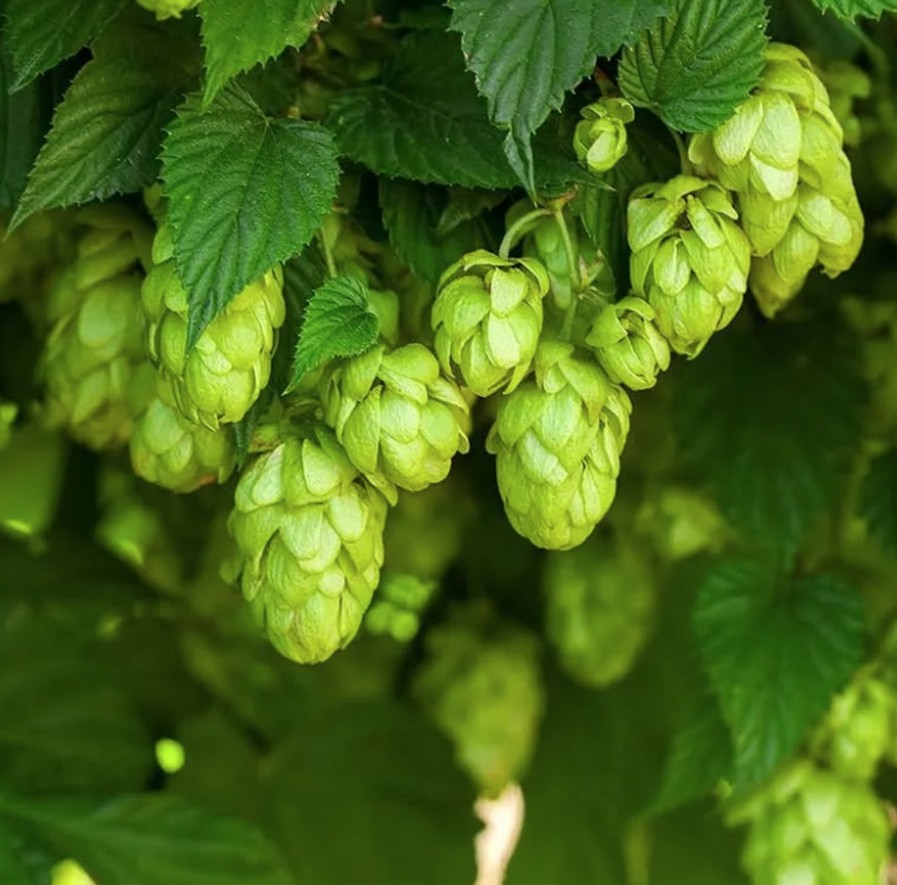
Image source: promessedefleurs.com
1. Chemical Composition and Neuroactive Constituents
The principal bioactive compounds are concentrated in the lupulin glands of the female flowers, such as:
a. Alpha Acids (Bitter Resins)
Alpha acids account for approximately 15-25% of the dry weight of lupulin. The predominant constituent is humulone, which represents 35-70% of the total alpha acid fraction and is considered the primary compound responsible for the sedative effects of hop [2,3].
b. Beta Acids
Beta acids (lupulones) also constitute approximately 15-25% of the dry weight. Unlike humulone, their neuropharmacological role remains less well defined. Some studies suggest that lupulone may reduce GABAergic neurotransmission, thereby attenuating the sedative effects of humulone, whereas animal studies have demonstrated antidepressant activity [1].
c. Prenylated Flavonoids
Hop contains several prenylated flavonoids with important biological activities:
- Xanthohumol (0.1-1% of dry weight), the major flavonoid of hop, exhibits neuroprotective, antioxidant and anti-inflammatory properties, although evidence for a direct sedative effect remains limited [4].
- 6-Prenylnaringenin (6-PN) and isoxanthohumol, which act synergistically with humulone by potentiating GABAA receptor activity.
- 8-Prenylnaringenin (8-PN), one of the most potent naturally occurring phytoestrogens, responsible for the estrogenic activity of hop [5].
d. Volatile Terpenoids
The volatile fraction (<1-3%) consists primarily of myrcene, humulene and linalool, compounds that contribute to the plant’s characteristic aroma as well as its mild sedative properties [3].
2. Mechanisms of Action
The neuroactive effects of hop result from its interaction with multiple neurotransmitter systems:
GABAergic System
The principal mechanism involves positive allosteric modulation (PAM) of GABAA receptors. Humulone, together with 6-prenylnaringenin and isoxanthohumol, enhances GABA-mediated inhibitory neurotransmission, thereby reducing neuronal excitability and producing sedative and anxiolytic effects. These compounds appear to act in an additive or even synergistic manner [2,6].
Melatonergic System
Hop extracts exhibit affinity for MT1 and MT2 melatonin receptors. Experimental animal studies have shown that hop extracts induce hypothermia and sleep, effects that are abolished by the melatonin receptor antagonist luzindole, suggesting direct involvement of the melatonergic system in sleep regulation [1].
Serotonergic System
Several hop constituents display binding affinity for the 5-HT6 receptor, which plays a role in regulating anxiety, cognition and sleep. This activity may further contribute to the plant’s anxiolytic profile [1].
3. Interaction with Alcohol
Ethanol shifts the activation curve of GABAA receptors for humulone, thereby enhancing the sedative and intoxicating effects of beer. Consequently, hop and alcohol exert synergistic depressant effects on the central nervous system [2].
4. Pharmacokinetics
Prenylated flavonoids are rapidly absorbed and undergo extensive phase II metabolism, primarily through glucuronidation and sulfation. Their bioavailability is limited by first-pass hepatic metabolism and the concentrations achieved within the central nervous system are likely to remain in the low micromolar range [4].
An important aspect of hop’s safety profile is that clinical studies have demonstrated no significant inhibition of the major cytochrome P450 enzymes (CYP1A2, CYP2C9, CYP2D6 and CYP3A4). Consequently, the risk of clinically relevant metabolic drug interactions appears to be low, representing an important advantage over certain other medicinal plants, such as Hypericum perforatum [1].
5. Therapeutic Uses
In herbal medicine, hop is primarily used for the management of insomnia and mild anxiety.
Traditional preparations include infusions made from 0.5-2 g of dried strobiles or standardized extracts equivalent to approximately 0.5 g of plant material.
Clinical studies have reported that daily administration of approximately 0.4 g of hop extract is associated with reduced anxiety and improvements in overall mood and well-being [1].
6. Safety and Toxicology
Hop is generally regarded as a safe medicinal plant and no lethal dose has been established in humans. In rodents, the oral LD50 of ethanolic extracts is approximately 500 mg/kg [1].
Adverse effects are generally mild and include:
- drowsiness;
- dizziness;
- occasional allergic contact dermatitis.
There is no evidence that hop produces dependence or withdrawal symptoms. Any dependence associated with beer consumption is attributable solely to its ethanol content.
7. Drug Interactions and Contraindications
Because of its sedative properties, hop may potentiate the effects of other central nervous system depressants, including alcohol, benzodiazepines, barbiturates and other sedative medications.
The presence of 8-prenylnaringenin, one of the most potent naturally occurring phytoestrogens, warrants avoidance during pregnancy and breastfeeding, as well as in individuals with estrogen-sensitive disorders or known hypersensitivity to estrogens [5].
Caution is also advised in patients with severe depression, as sedative agents may occasionally exacerbate depressive symptoms.
8. Ethnobotanical and Cultural Context
Hop occupies a unique position within European medicinal flora, bridging the gap between a culinary and a medicinal plant. In the traditional medicine of Romania and the Balkans, it has long been consumed as an herbal tea for insomnia and nervousness and is frequently combined with valerian, linden flowers, or chamomile in traditional sleep-promoting formulations.
Compared with other herbal sedatives, hop is generally regarded as more effective than linden or chamomile but less potent than valerian.
Historically, Romania was one of the major hop-producing countries in Eastern Europe, with approximately 2,700 hectares under cultivation in 1989, primarily in Mureș and Harghita counties. Following the political and economic changes after 1990, hop cultivation declined dramatically, reaching only about 165 hectares by 2022.
Owing to its unique combination of bitter resins, prenylated flavonoids, and phytoestrogens, Humulus lupulus represents one of the most pharmacologically complex sedative plants of the European flora. Its multimodal mechanism of action, coupled with a favorable safety profile when used at recommended doses, makes it an important medicinal species in both traditional herbal medicine and modern phytotherapy.
References
- Kogut, Ł., Puchalski, C., Jastrzębska, J., & Zaguła, G. (2026). Biological activity of hops (Humulus lupulus L.): Molecular mechanisms and significance for human health—A review. Nutrients, 18(7), Article 1056. https://doi.org/10.3390/nu18071056
- Benkherouf, A. Y., Eerola, K., Soini, S. L., & Uusi-Oukari, M. (2020). Humulone modulation of GABAA receptors and its role in hops sleep-promoting activity. Frontiers in Neuroscience, 14, Article 594708. https://doi.org/10.3389/fnins.2020.594708
- Min, B., Ahn, Y., Cho, H. J., Kwak, W. K., Jo, K., & Suh, H. J. (2023). Chemical compositions and sleep-promoting activities of hop (Humulus lupulus L.) varieties. Journal of Food Science, 88(5), 2217–2228. https://doi.org/10.1111/1750-3841.16544
- Stevens, J. F., & Page, J. E. (2004). Xanthohumol and related prenylflavonoids from hops and beer: To your good health! Phytochemistry, 65(10), 1317–1330. https://doi.org/10.1016/j.phytochem.2004.04.025
- Milligan, S. R., Kalita, J. C., Heyerick, A., Rong, H., De Cooman, L., & De Keukeleire, D. (1999). Identification of a potent phytoestrogen in hops (Humulus lupulus L.) and beer. The Journal of Clinical Endocrinology & Metabolism, 84(6), 2249–2252. https://doi.org/10.1210/jcem.84.6.5887
- Min, B., Ahn, Y., Cho, H. J., Kwak, W. K., Suh, H. J., & Jo, K. (2021). GABA A receptor-mediated sleep-promoting effect of Saaz-Saphir hops mixture containing xanthohumol and humulone. Molecules, 26(23), Article 7108. https://doi.org/10.3390/molecules26237108
Hypericum perforatum
St John’s wort
by Asja Catovic · SAFF · Team lead
St. John’s wort (Hypericum perforatum L.) is a flowering plant, traditionally used as herbal tea for the relief of temporary mental exhaustion and anxiety, being widely found in the spontaneous flora of Bosnia.
The plant contains bioactive compounds including naphthodianthrones (such as hypericin and pseudohypericin), phloroglucinols (hyperforin), flavonoids and phenolic acids, where hyperforin plays a primary role of anxiolytic effect.
The mechanism of action involves inhibition of monoamine reuptake, including serotonin, dopamine and norepinephrine, as well as modulation of amino acid neurotransmitters such as GABA and glutamate [1].
In one clinical trial involving 80 postmenopausal women, the results showed a significant reduction in the frequency and intensity of hot flashes, the menopause score and depression in the treatment group [1].
We can say it’s our natural remedy for mild anxiety in a cup. To prepare, steep 2 grams of dried herb in 150 ml of boiling water, 3 cups a day, with effects typically observed within four weeks [2].
When we’re feeling stressed, it’s much healthier to reach out for this herbal tea rather than taking calming pills for no reason. While it is used for mild symptoms of anxiety and depression, it is not a replacement for prescribed antidepressants or benzodiazepines. It’s only acceptable to be used by adults over the age of 18 and shouldn’t be mixed with other medication.
References
- Frenț, O.-D., Marian, E., Vicaș, L. G., Dejeu, I. L., Dejeu, G. E., Ganea, M., Potra Cicalău, G. I., Ciavoi, G., Cristea, R. A., Nagy, C., Aghaei, D., & Iova, C.-S. (2026). Wild flora species from Romania with anxiolytic and antidepressant potential: A global perspective—Narrative review. Biomedicines, 14(5), Article 1019. https://doi.org/10.3390/biomedicines14051019
- European Medicines Agency. (2009). Hyperici herba – Herbal medicinal product. https://www.ema.europa.eu/en/medicines/herbal/hyperici-herba-0
Lavandula angustifolia
Lavender
by Miray Tunç · PharmHive
Lavandula angustifolia Mill. is a flowering plant that is common in Europe and across the Mediterranean. Lavender has many health benefits for humans. In addition to its use in herbal medicine [1].
Linalool (28.47%) and linalyl acetate (38.36%) are the major ingredients responsible for anxiolytic potential. It has been observed that linalyl acetate possesses the ability to inhibit calcium channels and modulate NMDA receptors. On the other hand, linalool has been found to increase extracellular serotonin levels by blocking serotonin transporters. This mechanism of action results in a reduction in anxiety and an improvement in overall well-being [2].
In a study by Kasper et al. [3], patients with anxiety-related restlessness and disrupted sleep were studied to determine the relaxing impact of lavender. Another experiment was done to characterize lavender for its chemical constituents, which indicated a significant reduction in stress levels. The therapeutic effect of lavender was attributed to monoterpenes present in its bioactive profile.
In conclusion, the oral administration of lavender essential oil, standardized and titrated to linalool and linalyl acetate concentrations seem to have a promising efficacy in the treatment of anxiety, although further high-quality RCTs are needed to confirm these findings [4,5].
References
- Batiha, G. E.-S., Teibo, J. O., Wasef, L., Shaheen, H. M., Akomolafe, A. P., Teibo, T. K. A., Al-Kuraishy, H. M., Al-Garbeeb, A. I., Alexiou, A., & Papadakis, M. (2023). A review of the bioactive components and pharmacological properties of Lavandula species. Naunyn-Schmiedeberg's Archives of Pharmacology, 396(5), 877–900. https://doi.org/10.1007/s00210-023-02392-x
- López, V., Nielsen, B., Solas, M., Ramírez, M. J., & Jäger, A. K. (2017). Exploring pharmacological mechanisms of lavender (Lavandula angustifolia) essential oil on central nervous system targets. Frontiers in Pharmacology, 8, Article 280. https://doi.org/10.3389/fphar.2017.00280
- Kasper, S., Anghelescu, I., & Dienel, A. (2015). Efficacy of orally administered Silexan in patients with anxiety-related restlessness and disturbed sleep: A randomized, placebo-controlled trial. European Neuropsychopharmacology, 25(11), 1960–1967. https://doi.org/10.1016/j.euroneuro.2015.07.024
- Donelli, D., Antonelli, M., Bellinazzi, C., Gensini, G. F., & Firenzuoli, F. (2019). Effects of lavender on anxiety: A systematic review and meta-analysis. Phytomedicine, 65, Article 153099. https://doi.org/10.1016/j.phymed.2019.153099
- Manzoor, S., Rakha, A., Rasheed, H., Bhat, Z. F., Khan, M. S. A., Abdi, G., & Aadil, R. M. (2025). A comprehensive review on anxiolytic effect of Lavandula angustifolia Mill. in clinical studies. Food Science & Nutrition, 13(9), Article e70993. https://doi.org/10.1002/fsn3.70993
Melissa officinalis
Lemon balm
by Teodora Rančić · EUPSA
Melissa officinalis L., commonly known as lemon balm, is a perennial herbaceous plant belonging to the mint family (Lamiaceae), native to the Mediterranean region and Western Asia. It has been used for centuries in traditional herbal medicine as a mild sedative, anxiolytic, and digestive remedy.
The primary bioactive constituents responsible for its therapeutic properties include rosmarinic acid, citronellal, neral, and geranial. Studies demonstrate that rosmarinic acid and the essential oils of lemon balm exhibit significant antioxidant, neuroprotective, and GABA-modulating effects, which help reduce stress and promote relaxation [1].
Systematic reviews and meta-analyses of clinical trials have confirmed the efficacy of Melissa officinalis L. in alleviating symptoms of anxiety and depression in human populations [2]. Beyond oral administration, recent clinical research shows that inhalation aromatherapy with lemon balm essential oil significantly reduces anxiety levels as well as overall symptom burden (such as sleep disturbances and restlessness) in hemodialysis patients [3]. In conclusion, Melissa officinalis L. demonstrates promising therapeutic potential and a strong safety profile in managing anxiety, mood disorders, and stress-related conditions, whether administered as oral extracts or through aromatherapy.
References
- Shakeri, A., Sahebkar, A., & Javadi, B. (2016). Melissa officinalis L. – A review of its traditional uses, phytochemistry and pharmacology. Journal of Ethnopharmacology, 188, 204–228. https://doi.org/10.1016/j.jep.2016.05.010
- Ghazizadeh, J., Sadigh-Eteghad, S., Marx, W., Fakhari, A., Hamedeyazdan, S., Torbati, M., Taheri-Tarighi, S., Araj-Khodaei, M., & Mirghafourvand, M. (2021). The effects of lemon balm (Melissa officinalis L.) on depression and anxiety in clinical trials: A systematic review and meta-analysis. Phytotherapy Research, 35(12), 6690–6705. https://doi.org/10.1002/ptr.7252
- Pasyar, N., Aghababaei, M., Rambod, M., & Zarshenas, M. M. (2025). The effectiveness of Melissa officinalis L. essential oil inhalation on anxiety and symptom burden of hemodialysis patients: A randomized trial study. BMC Complementary Medicine and Therapies, 25(1), Article 103. https://doi.org/10.1186/s12906-025-04840-y
Valeriana officinalis
Valerian
by Călae Alexia-Maria · SSFB
Valeriana officinalis is a native, widely spread plant across Europe, including the Balkans. This plant, used as a herbal supplement, is mainly known for its properties in treating anxiety and insomnia [1].
Some studies have discovered that valepotriates are responsible for reducing the score of HAM-A in generalized anxiety disorder patients, suggesting that valepotriates are the active anxiolytic constituents. [2]. The studies conducted revealed that the anxiolytic effect was observed in extracts of valeriana that used the whole root [3]. On the other hand, other studies suggested that the main active in this herb for its anxiolytic effect is the valerianic acid that interacts with the GABAA-ergic system [4,5] within a mechanism of action similar to benzodiazepine drugs, by binding to specific subunits on the GABA-A receptor complex. Stimulation of these receptors directly opens the chloride channels, producing neural inhibition. Also, Awad et al. [6] found that an ethanolic extract of Valeriana officinalis prompted increased brain GABA levels and neurotransmission by stimulating glutamic acid decarboxylase (GAD) in rat brains. In conclusion, the anxiolytic effect for extracts of Valeriana officinalis was observed to be positive in diverse anxious conditions, such as anxiety produced by insomnia, premenstrual anxiety, HIV-positive patients undergoing treatment, anxiety produced by surgical dental procedures and generalized anxiety disorder [1,7].
References
- Shinjyo, N., Waddell, G., & Green, J. (2020). Valerian root in treating sleep problems and associated disorders—A systematic review and meta-analysis. Journal of Evidence-Based Integrative Medicine, 25. https://doi.org/10.1177/2515690x20967323
- Andreatini, R., Sartori, V. A., Seabra, M. L. V., & Leite, J. R. (2002). Effect of valepotriates (valerian extract) in generalized anxiety disorder: A randomized placebo-controlled pilot study. Phytotherapy Research, 16(7), 650–654. https://doi.org/10.1002/ptr.1027
- Hattesohl, M., Feistel, B., Sievers, H., Lehnfeld, R., Hegger, M., & Winterhoff, H. (2008). Extracts of Valeriana officinalis L. s.l. show anxiolytic and antidepressant effects but neither sedative nor myorelaxant properties. Phytomedicine, 15(1–2), 2–15. https://doi.org/10.1016/j.phymed.2007.11.027
- Khom, S., Baburin, I., Timin, E., Hohaus, A., Trauner, G., Kopp, B., & Hering, S. (2007). Valerenic acid potentiates and inhibits GABAA receptors: Molecular mechanism and subunit specificity. Neuropharmacology, 53(1), 178–187. https://doi.org/10.1016/j.neuropharm.2007.04.018
- Dietz, B. M., Mahady, G. B., Pauli, G. F., & Farnsworth, N. R. (2005). Valerian extract and valerenic acid are partial agonists of the 5-HT5a receptor in vitro. Molecular Brain Research, 138(2), 191–197. https://doi.org/10.1016/j.molbrainres.2005.04.009
- Awad, R., Levac, D., Cybulska, P., Merali, Z., Trudeau, V. L., & Arnason, J. T. (2007). Effects of traditionally used anxiolytic botanicals on enzymes of the gamma-aminobutyric acid (GABA) system. Canadian Journal of Physiology and Pharmacology, 85(9), 933–942. https://doi.org/10.1139/Y07-083
- Murphy, K., Kubin, Z. J., Shepherd, J. N., & Ettinger, R. H. (2010). Valeriana officinalis root extracts have potent anxiolytic effects in laboratory rats. Phytomedicine, 17(8–9), 674–678. https://doi.org/10.1016/j.phymed.2009.10.020
Tilia cordata
Small-leaved linden
by Dušica Živanović · EUPSA · Team lead
Tilia cordata L., commonly known as small-leaved linden (fam. Malvaceae), is a widely distributed tree species across Europe and an integral part of traditional medicine in Serbia. Recognized for its fragrant inflorescences, linden has a long history of use in Serbian ethnobotany as a gentle yet effective remedy for soothing the nervous system, relieving mental stress, mild anxiety, and sleep disturbances. Modern pharmacological research and ethnobotanical studies in Serbia continue to validate these traditional applications, highlighting its neuroactive properties alongside its therapeutic value in regional phytotherapy [1,2].
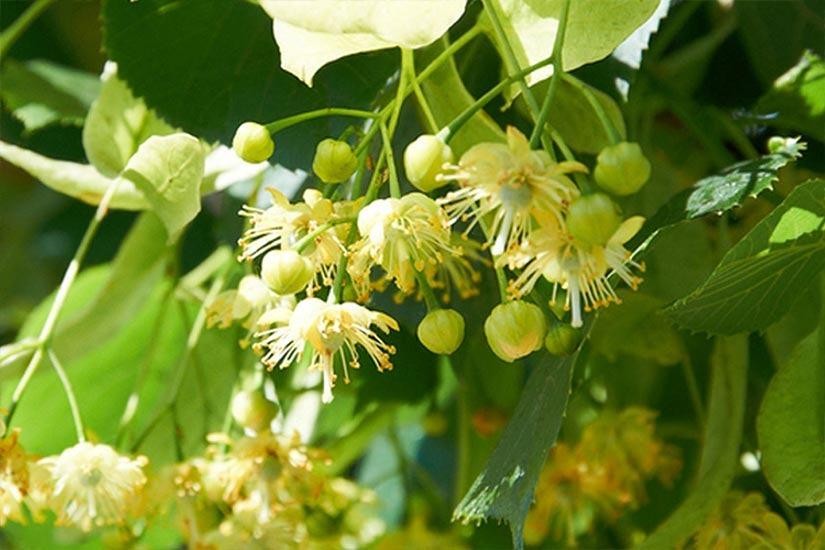
Image source: Google Images
1. Chemical Composition and Neuroactive Constituents
The neuroactive and pharmacological properties of Tilia cordata L. are primarily attributed to a complex mixture of bioactives present in its flowers and bracts [1]:
1.1. Flavonoids
Flavonoid glycosides, particularly quercetin and kaempferol derivatives (such as tiliroside), represent a major active fraction. These compounds contribute significantly to central nervous system modulation, exerting neuroprotective, anxiolytic, and sedative actions.
1.2. Essential Oils and Volatile Compounds
The volatile fraction contains aliphatic hydrocarbons, monoterpenes, and sesquiterpenes (e.g., farnesol) that impart soothing sensory properties and contribute to mild central nervous system depression.
1.3. Phenolic Acids and Tannins
Chlorogenic, caffeic, and p-coumaric acids, along with condensed tannins, provide substantial antioxidant activity that protects central neural structures from oxidative damage.
2. Mechanisms of Action
The neuroactive effects of Tilia cordata L. stem from its interaction with central neurotransmitter pathways and cellular protective mechanisms:
2.1. GABAergic System
Bioactive constituents, particularly flavonoids, modulate central GABAA receptors and inhibit GABA transaminase activity. This action enhances inhibitory neurotransmission in the brain, leading to anxiolytic and mild sedative outcomes.
2.2. Antioxidant and Neuroprotective Pathways
By scavenging reactive oxygen species (ROS) and regulating biochemical stress responses, Tilia extracts mitigate oxidative stress in tissues, supporting cellular resilience.
3. Pharmacokinetics
Flavonoid glycosides and phenolic constituents undergo enzymatic hydrolysis by intestinal microflora into secondary metabolites prior to systemic absorption. Following absorption, active metabolites cross the blood-brain barrier to exert targeted central effects before undergoing metabolic transformation and excretion via hepatic and renal pathways.
4. Therapeutic Uses
4.1. Anxiety and Stress Relief
Widely utilized in Serbia to relieve acute nervous tension, irritability, and mild anxiety.
4.2. Sleep Support
Facilitates sleep onset and improves sleep quality in individuals experiencing stress-induced insomnia.
4.3. Adjuvant Spasmolytic Action
Traditionally applied for its mild diaphoretic and antispasmodic qualities during restless states accompanied by physical tension.
5. Safety and Toxicology
Tilia cordata L. demonstrates an excellent safety profile when consumed at therapeutic dosage levels. Adverse effects are rare and generally restricted to mild allergic reactions in hypersensitive individuals. Chronic excessive intake should be monitored in patients with pre-existing cardiac conditions.
6. Drug Interactions and Contraindications
Concomitant administration with central nervous system depressants (e.g., benzodiazepines, barbiturates, or alcohol) may potentiate sedative effects. Caution is recommended when combining linden preparations with synthetic sedative or antihypertensive medications.
7. Ethnobotanical and Cultural Factors in Serbia
In Serbia, Tilia cordata holds deep cultural and ethnobotanical significance. Rural communities, such as those in the Mt. Stara Planina region, rely on wild-harvested linden inflorescences to prepare traditional teas for stress, mild insomnia, and seasonal ailments [2]. Additionally, Tilia species represent vital components of urban and forest ecosystems in Serbia, where current research evaluates their physiological resistance and bioactivity under varying environmental conditions [3].
References
- Živković, J., et al. (2020). Arhiv za farmaciju, 70(6), 321–335. https://scindeks-clanci.ceon.rs/data/pdf/0563-9034/2020/0563-90342006021Z.pdf
- Zlatković, B., et al. (2024). Ethnobotanical and ethnomedicinal research into medicinal plants in the Mt Stara Planina region (south-eastern Serbia, Western Balkans). Journal of Ethnobiology and Ethnomedicine, 20(1). https://doi.org/10.1186/s13002-024-00647-2
- Arsenov, D., Borišev, M., Nikolić, N., Horak, R., & Pajević, S. (2025). Physiological and biochemical indicators of urban environmental stress in Tilia, Celtis, and Platanus: A functional trait-based approach. Plants, 14(22), Article 3451. https://doi.org/10.3390/plants14223451
Papaver somniferum
Opium poppy
by Rana Ece Berberoğlu · PharmHive
Papaver somniferum, also known as “opium poppy,” is an annual or perennial herbaceous plant belonging to the genus Papaver in the family Papaveraceae. Species in this family are generally distributed across the temperate and subtropical regions of the northern hemisphere. In Turkey, it is cultivated in regions such as Afyonkarahisar, Amasya, and Denizli [1].
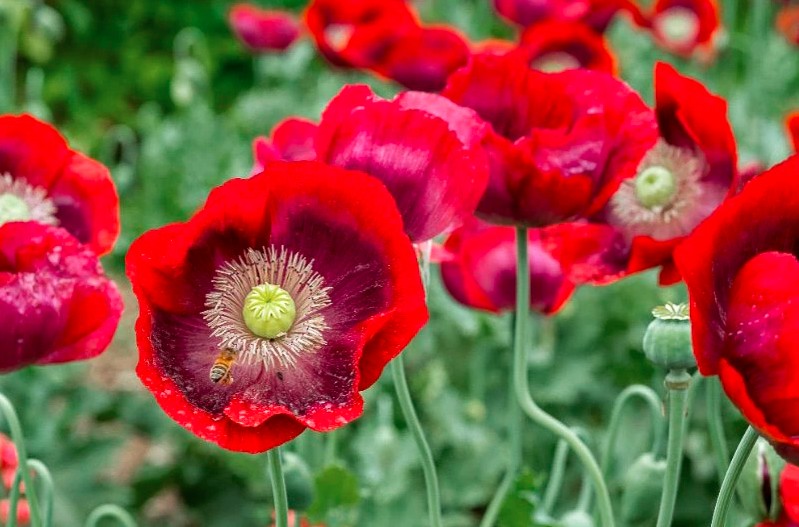
Image source: gardenia.net
The most medically important feature of the opium poppy is the benzylisoquinoline alkaloids (BIAs) it produces. Among these BIAs are the narcotic analgesic morphine, the anti-cancer agent noscapine, the antitussive (cough suppressant) codeine, the antimicrobial sanguinarine, and the vasodilator papaverine [1,2].
How is it extracted?
Herbal medicines are obtained from the plant’s root, stem, bark, leaves, flowers, seeds, or the whole plant. Opium is obtained by scoring the mature seed capsule of the poppy plant and solidifying the exuded fluid. The resulting milky liquid is thoroughly dried to prepare opium powder.
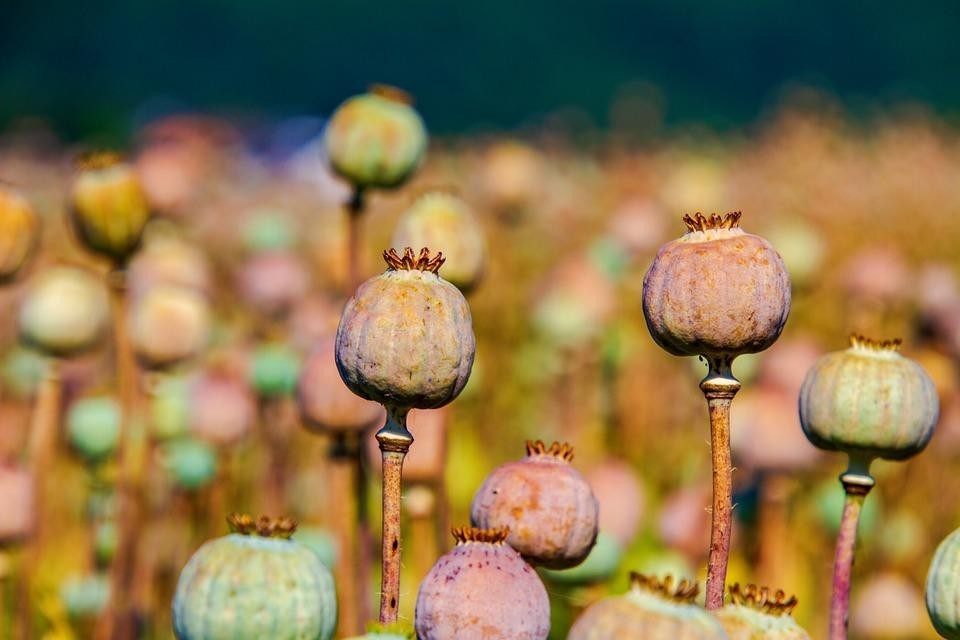
Image source: dogal-tarim.org
Alkaloids
Morphine: It acts on the central nervous system to relieve pain, treats dry cough, and causes nausea and vomiting by stimulating the chemoreceptor trigger zone behind the medulla. Because it is addictive, its use outside of medical supervision is prohibited [3].
Mechanism of action: Morphine relieves pain mainly by binding to mu (μ)-opioid receptors, though it has some affinity for delta (δ) and kappa (κ) receptors. It acts on both the central nervous system and the peripheral nervous system. Its overall effect works by activating pain-suppressing descending inhibitory pathways and inhibiting peripheral nerve fibers that carry pain signals toward the brain. These reduce the transmission of pain signals through the nervous system, producing the analgesic (pain-relieving) effect [3].
Codeine: It is a prodrug with a pain-relieving effect about 1/20 that of morphine and 10 times that of aspirin. It is used mainly as a cough suppressant. At high doses it can cause side effects such as respiratory depression, sudden muscle contractions (myoclonus), and sedation. It is usually used orally together with nonsteroidal analgesics. Its addiction potential is lower than that of other addictive drugs. Mechanism of action: Codeine is metabolized by the cytochrome P450 2D6 enzyme into morphine, which is responsible for most of its analgesic effects in the body. The effects of codeine are primarily determined by the specific subtype of the polymorphic CYP2D6 enzyme present in an individual [4].
Noscapine: Used to reduce coughing by suppressing the cough reflex. It is not addictive and is not toxic. However, at high doses it may cause histamine release, so it should be used with caution in patients with asthma and bronchitis. Mechanism of action: Its antitussive effects primarily mediated by its σ–receptoragonist activity [1].
Papaverine: A benzylisoquinoline-derived alkaloid found at about 1% concentration in opium poppy. It is used as an antispasmodic (spasm reliever). It relaxes smooth muscles in blood vessels and other structures without acting on neurotransmitter substances. It inhibits phosphodiesterase activity in smooth muscle, causing cAMP accumulation in cells and relaxation of smooth muscle (coronary, cerebral, peripheral). Mechanism of action: It inhibits the cyclic adenosine monophosphate (cAMP) and cyclic guanosine monophosphate (cGMP) phosphodiesterase in smooth muscles, and it increases intracellular levels of cAMP and cGMP. It induces coronary, cerebral, and pulmonary artery dilatation and helps to lower cerebral vascular resistance and enhance cerebral blood flow [2].
Pharmacological Effects
- Analgesic (Pain-relieving) Effect: Opiates like morphine bind to mu (μ) receptors in the brain, producing strong analgesic effects. They are used in low doses for cancer pain, but have side effects including nausea, vomiting, respiratory depression, constipation, and addiction.
- Antitussive Effect: Codeine is an effective cough suppressant for conditions like flu and bronchitis; it acts via opioid receptors in the brain.
- Hypnotic (Sleep-inducing) Effect: Opium has been used for centuries in the treatment of insomnia and mental disorders (mentioned in the works of Avicenna/Ibn Sina).
- Anticancer Effect: Laboratory studies have shown that compounds like noscapine, papaverine, and morphine slow the growth of or kill tumor cells in various cancer types (melanoma, leukemia, breast, colon, lung cancer, etc.).
- Muscle Relaxant / Vasodilator Effect: Papaverine widens blood vessels, increasing blood flow to the brain and heart region (it has no analgesic properties).
- Opioid Addiction: Opioids can lead to physical and psychological dependence by affecting the brain’s reward system. Worldwide, approximately 69,000 people die annually from opioid overdose, and approximately 15 million people are dependent [1,3].
References
- Portakal, P., & Gürkök Tan, T. (2024). Papaver somniferum (haşhaş) bitkisinin alkoloidlerinin farmakolojik ve toksikolojik özellikleri [Pharmacological and toxicological properties of the alkaloids of the Papaver somniferum (opium poppy) plant]. Veteriner Farmakoloji ve Toksikoloji Derneği Bülteni, 15(1), 1–10. https://doi.org/10.38137/vftd.1398945
- Ashrafi, S., Alam, S., Sultana, A., Raj, A., Emon, N. U., Richi, F. T., Sharmin, T., Moon, M., Park, M. N., & Kim, B. (2023). Papaverine: A miraculous alkaloid from opium and its multimedicinal application. Molecules, 28(7), Article 3149. https://doi.org/10.3390/molecules28073149
- Murphy, P. B., Patel, P., & Barrett, M. J. (2025). Morphine. In StatPearls. StatPearls Publishing. https://www.ncbi.nlm.nih.gov/books/NBK526115/
- Patel, P., Tharp, J. G., Eriator, I. I., et al. (2024). Codeine. In StatPearls. StatPearls Publishing. https://www.ncbi.nlm.nih.gov/books/NBK526029/
Hyoscyamus niger
Black henbane
by Asim Halac · SAFF
1. Introduction and Cultural Background
Hyoscyamus niger L., commonly known as black henbane (Figure 1), is a plant belonging to the Solanaceae family. Historically, H. niger holds a well-known position in traditional medicine and ethnopharmacology across Europe, Asia, and the Middle East, where it has been used for centuries as a potent analgesic, sedative, antispasmodic, and a remedy for relieving rheumatic pain, toothaches, and psycho-emotional agitation. The ethnobotanical application of this plant is closely connected to its psychoactive and deliriant properties, leading to frequent descriptions in historical texts within the context of ritualistic practices and folk medicine. In modern phytotherapy and pharmacology, H. niger serves as an important natural source of highly active secondary metabolites, primarily tropane alkaloids such as hyoscyamine and scopolamine, whose clinical application requires strict supervision due to its very narrow therapeutic index [1].
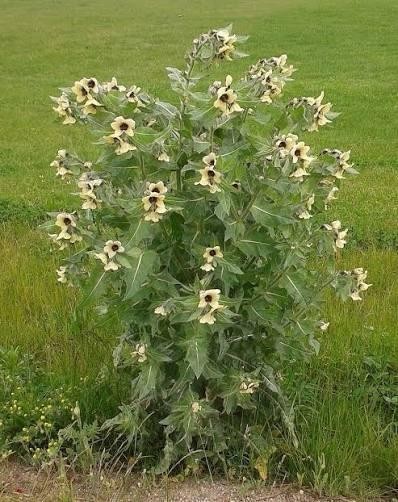
Image source: sheffields.com
2. Neuroactive Properties and Mechanism of Action
The neuroactive profile of Hyoscyamus niger is mainly driven by the presence of tropane alkaloids, most notably l-hyoscyamine and scopolamine (along with trace amounts of atropine). The principal mechanism of action of these alkaloids relies on competitive antagonism at central and peripheral muscarinic acetylcholine receptors (mAChRs, subtypes M1–M5). By blocking muscarinic receptors in the central nervous system (CNS), the binding of the endogenous neurotransmitter acetylcholine is prevented, leading to a reduction in parasympathetic tone, inhibition of glandular secretions, smooth muscle relaxation, and pronounced central effects such as sedation, amnesia, or, at higher doses, delirium and hallucinations.
Recent investigations into some aqueous-methanolic seed extracts of H. niger reveal additional neuropharmacological mechanisms relevant to neurodegenerative disorders. The seed extract has demonstrated significant inhibition of monoamine oxidase enzymes (MAO-A and MAO-B). By inhibiting MAO-B, the enzymatic breakdown of dopamine in the striatum is prevented, thereby increasing dopamine bioavailability in the synaptic cleft. Furthermore, constituents within the extract exhibit potent hydroxyl radical elimination capacity, directly reducing oxidative stress and preventing dopaminergic neurodegeneration in the substantia nigra [2].
3. Structure-Activity Relationship (SAR) of Tropane Alkaloids
The molecular structures of hyoscyamine and scopolamine (Figure 2) form the basis for their specific pharmacodynamic activity at muscarinic receptors:
- Core Tropane Ring: The core structure consists of a bicyclic tropane ring (a fused pyrrolidine and piperidine ring) featuring a tertiary nitrogen atom. The protonation of this tertiary nitrogen at physiological pH gives a positively charged center crucial for ionic interaction with the conserved aspartic acid residue (Asp3.32) within the muscarinic receptor binding pocket.
- Ester Linkage and Aromatic Ring: The tropane core is esterified with tropic acid. The presence of a free hydroxyl group on the chiral α-carbon of tropic acid substantially enhances receptor binding affinity via hydrogen bonding. The aromatic (phenyl) ring engages in hydrophobic and π–π stacking interactions with aromatic amino acid residues inside the receptor cavity.
- Epoxide Bridge in Scopolamine: Scopolamine structurally differs from hyoscyamine by the inclusion of an epoxide bridge between the C-6 and C-7 carbon atoms on the tropane ring. This additional epoxide functional group increases the molecule's lipophilicity and reduces its basicity, allowing scopolamine to cross the blood-brain barrier (BBB) more rapidly and efficiently than hyoscyamine or atropine. This structural feature is the reason for its more potent central sedative and amnesic effects at lower doses.
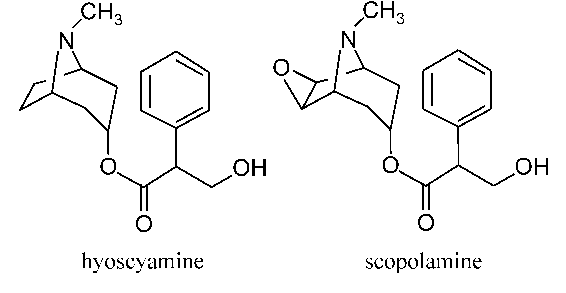
Image source: semanticscholar.org
4. Pharmacological Use and Clinical Relevance
In modern medical research and clinical pharmacology, the isolated compounds and standardized extracts of Hyoscyamus niger are explored in several defined domains:
- Parkinson's Disease and Movement Disorders: The synergistic combination of MAO-B inhibition, protection against oxidative stress, and the rebalancing of cholinergic-dopaminergic equilibrium in the basal ganglia, seed extracts are investigated as potential antiparkinsonian agents [2,3].
- Spasmodic Conditions: The anticholinergic action of hyoscyamine and scopolamine is clinically used to prevent smooth muscle spasms of the gastrointestinal, biliary and urinary tracts.
- Secretory Inhibition and Sedation: Purified alkaloids (particularly scopolamine) are administered preoperatively to reduce bronchial and salivary secretions, as well as for the prevention and control of motion sickness.
5. Toxicological Profile and Narrow Therapeutic Window
Hyoscyamus niger possesses an extremely narrow therapeutic window, meaning the margin between a therapeutic dose and a toxic dose is minimal. All parts of the plant, especially the seeds and leaves, are highly toxic [1].
The clinical presentation of black henbane poisoning corresponds to a classic anticholinergic toxidrome:
- Peripheral Symptoms: Mydriasis (pronounced pupillary dilation) accompanied by cycloplegia (loss of accommodation), severe xerostomia (dry mouth and throat), cutaneous flushing (red, warm skin due to anidrosis), tachycardia, urinary retention, and decreased intestinal motility.
- Central Symptoms: Anxiety, restlessness, disorientation, ataxia, visual and auditory hallucinations, and severe delirium.
- Fatal Outcomes: High doses can progress to comatose states, central respiratory depression, and cardiovascular collapse resulting from the blockade of central respiratory centers. Management of toxicity involves the administration of a specific antidote physostigmine (a reversible acetylcholinesterase inhibitor capable of crossing the BBB) alongside supportive and symptomatic care [1].
6. Key Takeaway
Hyoscyamus niger represents a complex phytomedicinal system whose tropane alkaloids (hyoscyamine and scopolamine) and standardized seed extracts exhibit significant anticholinergic, MAO-inhibitory, and neuroprotective properties, offering therapeutic potential in the management of neurodegenerative conditions such as Parkinson's disease. However, due to its high toxicity and narrow therapeutic index, any clinical application mandates the use of strictly standardized, purified pharmaceutical compounds under continuous toxicological oversight.
References
- Alizadeh, A., Moshiri, M., Alizadeh, J., & Balali-Mood, M. (2014). Black henbane and its toxicity – a descriptive review. Avicenna Journal of Phytomedicine, 4(5), 297–311.
- Sengupta, T., Vinayagam, J., Nagashayana, N., Gowda, B., Jaisankar, P., & Mohanakumar, K. P. (2011). Antiparkinsonian effects of aqueous methanolic extract of Hyoscyamus niger seeds result from its monoamine oxidase inhibitory and hydroxyl radical scavenging potency. Neurochemical Research, 36(1), 177–186. https://doi.org/10.1007/s11064-010-0289-x
- Kempster, P., & Ma, A. (2022). Parkinson's disease, dopaminergic drugs and the plant world. Frontiers in Pharmacology, 13, Article 970714. https://doi.org/10.3389/fphar.2022.970714
Datura stramonium
Jimson weed
by Popa Eliza-Maria · SSFB
Datura stramonium L., commonly known as Jimson Weed, is a globally distributed flowering herb of the Solanaceae family with a profound history of ethnomedicinal importance. While the plant is inherently narcotic, it provides a diverse range of bioactive compounds that are highly valued in the pharmaceutical industry. Modern chemoinformatic research indicates that D. stramonium possesses antimicrobial, anti-asthmatic, anti-inflammatory, antioxidant, and significant neurological properties, derived from the complex interactions of its secondary metabolites [1].
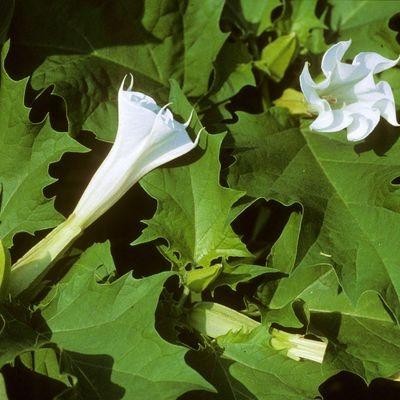
Image source: Google Images
Chemical Composition and Neuroactive Constituents
The bioactive potential of the plant is concentrated throughout its leaves, flowers, seeds, and roots. Chemoinformatic screening has identified 49 specific alkaloids within D. stramonium, which are categorized into several chemical super-classes, including alkaloids and derivatives, organoheterocyclic compounds, and benzenoids [1].
Tropane Alkaloids
The most distinctive phytochemicals in this species are tropane alkaloids, particularly atropine, hyoscyamine, and scopolamine. These ornithine-derived metabolites represent the primary neuroactive agents of the genus and have been utilized historically as both potent medicinal drugs and poisons.
Structural Scaffolds
A key finding in the plant's chemical architecture is the 'N1C2CCCC1CC2' scaffold, a structural motif common to several of its alkaloids. This scaffold is shared with multiple FDA-approved drugs, highlighting the plant's role as a reservoir for lead molecules in drug discovery for neurological conditions [1].
Mechanisms of Action
The neuroactive effects of D. stramonium arise from its interaction with complex biological pathways and receptor systems:
1. Neuro-active Ligand Interaction Pathway
Pathway enrichment analysis reveals that the alkaloids in D. stramonium primarily participate in the neuro-active ligand interaction pathway. This interaction emphasizes the plant's significant neuromodulatory role and its ability to influence central nervous system activity.
2. Muscarinic Receptor Antagonism
A major mechanism of action involves the plant's alkaloids acting as potent muscarinic receptor antagonists. These compounds interact with transmembrane signal receptors and protein-modifying enzymes to regulate physiological and neurological responses.
Therapeutic Uses
In both traditional and modern pharmaceutical contexts, D. stramonium is utilized for a variety of conditions:
- Respiratory and Inflammatory Care: Employed for its anti-asthmatic and anti-inflammatory properties.
- Pain Management: Used as an analgesic and for its wound-healing capabilities.
- Neurological Applications: Investigated for its potential to treat receptor-mediated disorders through its diverse alkaloid profile.
Safety and Toxicology
The clinical application of D. stramonium is strictly governed by its potential for anticholinergic toxicity.
- Dosage and Formulation: The therapeutic efficacy is highly dependent on precise dosage and formulation to avoid toxic outcomes.
- Toxicity Profiles: While many of its alkaloids are classified as safe regarding nuclear and stress responses, they exhibit higher toxicity levels in environmental and organic response categories. Notably, caffeine, found within the species, is identified as a specific genomic toxin due to its inhibition of DNA damage response pathways [1].
Ethnobotanical and Cultural Context
Datura stramonium holds a unique place in global ethnobotany, often linked to ancient transoceanic connections between the Americas and the Old World prior to the Columbian voyages. It thrives in nitrogen-rich soils and dry, temperate habitats. In traditional medicine, particularly within the Ayurvedic tradition (where it is related to the term "dhattūra"), every part of the plant is considered medicinally viable. Because its chemical scaffolds are more uniform and consistent than synthetic libraries, D. stramonium remains a foundational resource for developing targeted neurological therapeutics with predictable outcomes [1].
References
- Choudhary, N., Verma, H., Dutta, S., & Kumar, A. (2025). Chemoinformatic analysis of alkaloids of Datura metel and Datura stramonium species: Insights from chemical space and diversity analysis. Natural Product Research. https://www.sciencedirect.com/org/science/article/abs/pii/S1478641925007764
Satureja montana
Winter savory
by Mahyar Pouyan · SSFB · Team lead
Satureja montana L. (Winter Savory) is an aromatic subshrub (woody-based perennial plant) under the Lamiaceae family, native to southern and central Europe through the Balkan Peninsula to Türkiye and Lebanon (Royal Botanic Gardens, Kew, n.d.).
The species is used in both culinary traditions and pharmacotherapy. In Mediterranean and Balkan communities, aerial parts are used as a seasoning and in herbal products, especially herbal teas, for digestive and respiratory problems. Recent ethnobotanical studies across eastern and south-eastern Serbia show that Satureja montana persists as a prevalent therapeutic plant within various mountain populations (Matejić et al., 2020).
The therapeutic potential of Satureja montana is driven by both its essential oil constituents and its polyphenol fraction, which can depend on geographic origin, subspecies, harvest timing, and extraction method. While the essential oils are typically characterized by high levels of carvacrol or thymol together with γ-terpinene and p-cymene, more polar extracts provide evidence of phenolics and flavonoids, such as rosmarinic, caffeic, and chlorogenic acids, catechins, and rutin (Hudz et al., 2020). This also highlights the importance of using chemically characterized and standardized preparations.
Interest in the neuroactive properties of Satureja montana has increased significantly among researchers. A 2022 animal study reported anxiolytic-like effects of a dry Satureja montana extract after 14 days of administration in rats exposed to acute stress. It is also noted that rosmarinic acid and carvacrol produced more moderate effects (Vilmosh et al., 2022). Cholinesterase inhibition is another biological mechanism; earlier trials verified that Satureja montana extracts inhibit acetylcholinesterase (AChE) as well as (butyrylcholinesterase) BChE (Silva et al., 2009). While a 2024 study confirmed dose-dependent acetylcholinesterase inhibition by essential oils from two subspecies (Les et al., 2024). Therefore, another 2025 study reported AChE and BChE inhibition by Satureja montana essential oil (Coban et al., 2025). Preliminary human evidence has also begun to emerge. A 2026 study involving adults aged 70 years and older reported that 40 minutes of exposure to mountain-savory essential-oil vapour was associated with improvements in mood, relaxation, and performance on a proofreading task (Yarosh et al., 2026). These findings are of interest, although the methodological information available in the abstract is insufficient to conclude therapeutic efficacy.
The available studies do not support a single neuropharmacological mechanism for Satureja montana. Cholinesterase inhibition has been demonstrated experimentally, while antioxidant, anti-inflammatory, and GABA-related mechanisms are mainly inferred from studies on individual components such as rosmarinic acid, carvacrol, and thymol (Dragomanova et al., 2025). But mechanistic evidence obtained from isolated compounds cannot be automatically attributed to the whole plant extract because bioavailability, concentrations, and interactions between components may differ.
Overall, the most convincing evidence currently includes phytochemical properties, cholinesterase inhibition, and animal anxiolytic findings. Human evidence is still in its early stages, which means we still cannot strongly recommend this plant for anxiety, cognitive impairment, or neurodegenerative diseases.
References
- Royal Botanic Gardens, Kew. (n.d.). Satureja montana L. In Plants of the World Online. Retrieved August 25, 2026, from https://powo.science.kew.org
- Matejić, J. S., Stefanović, N., Ivković, M., Živanović, N., Marin, P. D., & Džamić, A. M. (2020). Traditional uses of autochthonous medicinal and ritual plants and other remedies for health in Eastern and South-Eastern Serbia. Journal of Ethnopharmacology, 261, Article 113186. https://doi.org/10.1016/j.jep.2020.113186
- Hudz, N., Makowicz, E., Shanaida, M., Białoń, M., Jasicka-Misiak, I., Yezerska, O., Svydenko, L., & Wieczorek, P. P. (2020). Phytochemical evaluation of tinctures and essential oil obtained from Satureja montana herb. Molecules, 25(20), Article 4763. https://doi.org/10.3390/molecules25204763
- Vilmosh, N., Delev, D., Kostadinov, I., Zlatanova, H., Kotetarova, M., Kandilarov, I., & Kostadinova, I. (2022). Anxiolytic effect of Satureja montana dry extract and its active compounds rosmarinic acid and carvacrol in acute stress experimental model. Journal of Integrative Neuroscience, 21(5), Article 124. https://doi.org/10.31083/j.jin2105124
- Silva, F. V. M., Martins, A., Salta, J., Neng, N. R., Nogueira, J. M. F., Mira, D., Gaspar, N., Justino, J., Grosso, C., Urieta, J. S., Palavra, A. M. F., & Rauter, A. P. (2009). Phytochemical profile and anticholinesterase and antimicrobial activities of supercritical versus conventional extracts of Satureja montana. Journal of Agricultural and Food Chemistry, 57(24), 11557–11563. https://doi.org/10.1021/jf901786p
- Les, F., Galiffa, V., Cásedas, G., Moliner, C., Maggi, F., López, V., & Gómez-Rincón, C. (2024). Essential oils of two subspecies of Satureja montana L. against gastrointestinal parasite Anisakis simplex and acetylcholinesterase inhibition. Molecules, 29(19), Article 4640. https://doi.org/10.3390/molecules29194640
- Coban, F., Lan, Y., Yetisgin, G., Yuca, H., Aydın, B., Angın, H., Demirci, B., & Karakaya, S. (2025). Phytochemical composition and bioactivities of Satureja montana L. and Satureja hortensis L.: Culinary herbs with antidiabetic, anticholinesterase, and antioxidant potential. PLOS ONE, 20(9), Article e0332178. https://doi.org/10.1371/journal.pone.0332178
- Yarosh, A. M., Batura, I. A., & Sinitsyn, A. V. (2026). The effect of long-term exposure to essential oils on the psychoemotional state and mental performance of elderly people. Advances in Gerontology, 39(2), 285–293. https://doi.org/10.34922/AE.2026.39.2.016
- Dragomanova, S., Tancheva, L., Abarova, S., Grigorova, V. B., Gavazova, V., Stanciu, D., Tzonev, S., Prandjev, V., & Kalfin, R. (2025). Protective potential of Satureja montana-derived polyphenols in stress-related central nervous system disorders, including dementia. Current Issues in Molecular Biology, 47(7), Article 556. https://doi.org/10.3390/cimb47070556
Galanthus nivalis
Snowdrop
by Jeremiah Olah · PharmHive
General Information
Galanthus nivalis commonly known as the snowdrop, is a bulbous perennial herb native to Europe. It is the primary botanical source of Galantamine, a clinically significant alkaloid discovered in the 1950s, recognised for its role as a cognitive enhancer [1].
Neuroactive Properties
Galantamine functions as a selective, reversible, competitive inhibitor of acetylcholinesterase (AChE) in the central nervous system. It also acts as a positive allosteric modulator of nicotinic acetylcholine receptors, increasing cholinergic signalling by enhancing receptor responsiveness to acetylcholine [1,2].
Pharmacological Uses
Due to its ability to increase acetylcholine levels, galantamine is one of the most useful drugs in neurologic treatment. It is an FDA-approved, evidence-based treatment for mild-to-moderate Alzheimer’s disease, helping alleviate memory loss and maintain cognitive functions [3].
Key Takeaway
Galanthus nivalis demonstrates how a traditional herbal remedy can evolve into a modern, effective drug, providing an important therapy for progressive neurodegenerative conditions [1,2].
References
- Babashpour-Asl, M., Kaboudi, P. S., & Barez, S. R. (2023). Therapeutic and medicinal effects of snowdrop (Galanthus spp.) in Alzheimer's disease: A review. Journal of Education and Health Promotion, 12, Article 128. https://doi.org/10.4103/jehp.jehp_451_22
- Metz, C. N., & Pavlov, V. A. (2021). Treating disorders across the lifespan by modulating cholinergic signaling with galantamine. Journal of Neurochemistry, 158(6), 1359–1380. https://doi.org/10.1111/jnc.15243
- Lim, A. W. Y., Schneider, L., & Loy, C. (2024). Galantamine for dementia due to Alzheimer's disease and mild cognitive impairment. Cochrane Database of Systematic Reviews, 2024(11), Article CD001747. https://doi.org/10.1002/14651858.CD001747.pub4
Withania somnifera
Ashwagandha
by Tijana Mirić · EUPSA
General information
Withania somnifera (Ashwagandha), also known as Indian ginseng or winter cherry, is a medicinal plant widely used in Ayurveda as a rejuvenating and adaptogenic herb. Its roots are the most commonly studied part, and they contain bioactive compounds such as withanolides, alkaloids, and sitoindosides. Traditionally, Ashwagandha has been used as a general tonic for weakness, debility, and stress-related conditions [1].
Neuroactive properties
Ashwagandha (Withania somnifera) has neuroactive properties mainly related to stress reduction, anxiety relief, and cognitive support. Experimental studies suggest that it may influence serotonin, acetylcholine, and nitric oxide pathways in the brain, which are important for mood, memory, and neuronal protection. In animal models, it has also shown a protective effect against stress-induced brain changes [2].
Clinical studies suggest benefits in chronic stress, insomnia, anxiety, and mild cognitive problems. So, its neuroactive action is supported both by traditional use and by preclinical and clinical evidence, although some mechanisms are still not fully confirmed in humans [3].
Pharmacological uses
The literature reports several pharmacological uses of Ashwagandha, including anti-stress, anxiolytic, anti-inflammatory, antioxidant, immunomodulatory, cardioprotective, antidiabetic, and reproductive-supportive effects. Human studies also suggest possible benefit in hypothyroidism, schizophrenia, obsessive-compulsive disorder, rheumatoid arthritis, male infertility, and as an adjunct in chemotherapy-related fatigue. Overall, the strongest human evidence in these papers is for stress reduction, sleep improvement, and some cognitive benefits [1,3].
Mechanism of action
The neuroprotective and adaptogenic effects of Ashwagandha appear to involve modulation of stress pathways, including reduction of corticosterone/cortisol, preservation of serotonin, and regulation of cholinergic and nitrergic signaling in the brain. Preclinical evidence also suggests antioxidant activity, inhibition of lipid peroxidation, and modulation of inflammatory and apoptotic pathways, with withanolides, especially withaferin A—considered major active constituents [2]. However, for several claimed effects, the exact mechanism is still not fully established in humans, so it is best to present these as supported mechanistic hypotheses rather than proven clinical mechanisms.
References
- Joshi, K., Tavhare, S., Panara, K., Kumar, A., & Karra, N. (2016). Studies of ashwagandha (Withania somnifera Dunal). International Journal of Pharmaceutical & Biological Archives, 7(1), 1–11.
- Bhatnagar, M., Sharma, D., & Salvi, M. (2009). Neuroprotective effects of Withania somnifera Dunal.: A possible mechanism. Neurochemical Research, 34(11), 1975–1983. https://doi.org/10.1007/s11064-009-9987-7
- Tandon, N., & Yadav, S. S. (2020). Safety and clinical effectiveness of Withania somnifera (Linn.) Dunal root in human ailments. Journal of Ethnopharmacology, 255, Article 112768. https://doi.org/10.1016/j.jep.2020.112768
Huperzia serrata
Club moss
by Pavel-Balan Grațiela-Andrada · SSFB
Huperzia serrata, from the Lycopodiaceae family, is a slow-growing club moss traditionally used to treat neuromuscular diseases, schizophrenia, and myasthenia gravis. It is an essential but limited natural source of neuroactive alkaloids [1].
The main compound is huperzine A, a potent, reversible, and highly selective acetylcholinesterase inhibitor. This alkaloid enhances cholinergic neurotransmission by delaying the hydrolysis of acetylcholine, thereby increasing its concentration in the synaptic cleft. This species also produces a variety of lycopodine-class alkaloids such as lycopodine, clavolonine, and dihydrolycopodine. While these alkaloids generally show lower acetylcholinesterase inhibitory activity than huperzine A, they contribute significantly to the plant's neuroactive profile [1,2].
It is primarily used for cognitive support in Alzheimer’s disease, effectively improving learning and memory function. Additionally, it protects neuronal tissues from beta-amyloid peptide injury, free radicals, and hypoxia-ischemia [3].
Huperzia serrata is scientifically significant because its primary alkaloid, huperzine A, penetrates the blood-brain barrier more effectively and possesses a longer duration of action than many synthetic anti-Alzheimer’s drugs, making it a promising therapeutic alternative [3].
References
- Ma, X., & Gang, D. R. (2004). The Lycopodium alkaloids. Natural Product Reports, 21(6), 752–772. https://doi.org/10.1039/b409720n
- Orhan, I., Terzioglu, S., & Sener, B. (2003). Alpha-onocerin: An acetylcholinesterase inhibitor from Lycopodium clavatum. Planta Medica, 69(3), 265–267. https://doi.org/10.1055/s-2003-38489
- Callizot, N., Campanari, M. L., Rouvière, L., Jacquemot, G., Henriques, A., Garayev, E., & Poindron, P. (2021). Huperzia serrata extract ‘NSP01’ with neuroprotective effects—Potential synergies of huperzine A and polyphenols. Frontiers in Pharmacology, 12, Article 681532. https://doi.org/10.3389/fphar.2021.681532
Vinca minor
Lesser periwinkle
by Milica Vujošević · EUPSA
General information
Vinca minor, commonly known as lesser periwinkle, is a plant traditionally used in treating cerebrovascular diseases such as improving memory and concentration, enhancing cognitive capacity, improving blood flow through brain blood vessels, but besides these it was also used in treatment of high blood pressure, diabetes and as a metabolism support [1].
Neuroactive properties
Vincristine, alkaloid from the plant, has positive effects on nervous system through its effect on blood vessels and metabolic pathways in the brain. Vincristine prevents neuronal death by increasing oxygen consumption, which plays big role in case of ischemic stroke. Some of the mechanisms include increased neuronal cGMP which leads to improved blood flow and oxygen use, and by cerebral vasodilatation glucose and oxygen use is improved as well as ATP production [2,3].
Pharmacological uses
Indole Alkaloids from this plant are known for treating and preventing cerebral diseases and impairment such as vertigo and certain types of stroke. It is also used as an adjuvant treatment in epilepsy, prevents oxidative stress and protects neurons [1,3].
Key takeaway
Nature, in form of Vinca minor, offers solution to a major problem that affects a lot of people worldwide. Medications that are usually used in treatment of cerebrovascular diseases, if used long term, have a lot of side effects that these alkaloids do not have. The versatility of these alkaloids is what makes them scientifically interesting. They can be used in case of stroke, migraine, epilepsy or as cancer treatments as some recent studies suggest [1].
References
- Vrabec, R., Drašar, P., Opletal, L., Kosturko, Š., Blunden, G., & Cahlikova, L. (2025). Alkaloids from the genus Vinca L. (Apocynaceae): A comprehensive biological and structural review. Phytochemistry Reviews, 24(5), 3665–3735.
- Al-Kuraishy, H. M., & Al-Gareeb, A. I. (2020). Vinpocetine and ischemic stroke. In Ischemic stroke (p. 27).
- Li, Y., Zou, Q., & Zhang, J. (2018). Vincamine exerts protective effect on spiral ganglion neurons in endolymphatic hydrops guinea pig models. American Journal of Translational Research, 10(11), 3650.